
What Makes a Home Truly High-Performance? Inside the Fabutek Core Comfort System
When people hear “high-performance home,” they often think about technical ratings, specialized equipment, or complicated building standards. But for the person living there, performance is much simpler.
It means waking up in a comfortable room without a cold spot beside the window. It means fewer temperature swings, less outside noise, cleaner indoor air, and energy bills that are easier to manage. It means a home that feels solid, calm, and dependable through changing seasons.
At Fabutek, that experience starts with what is behind the walls: our Core Comfort system.
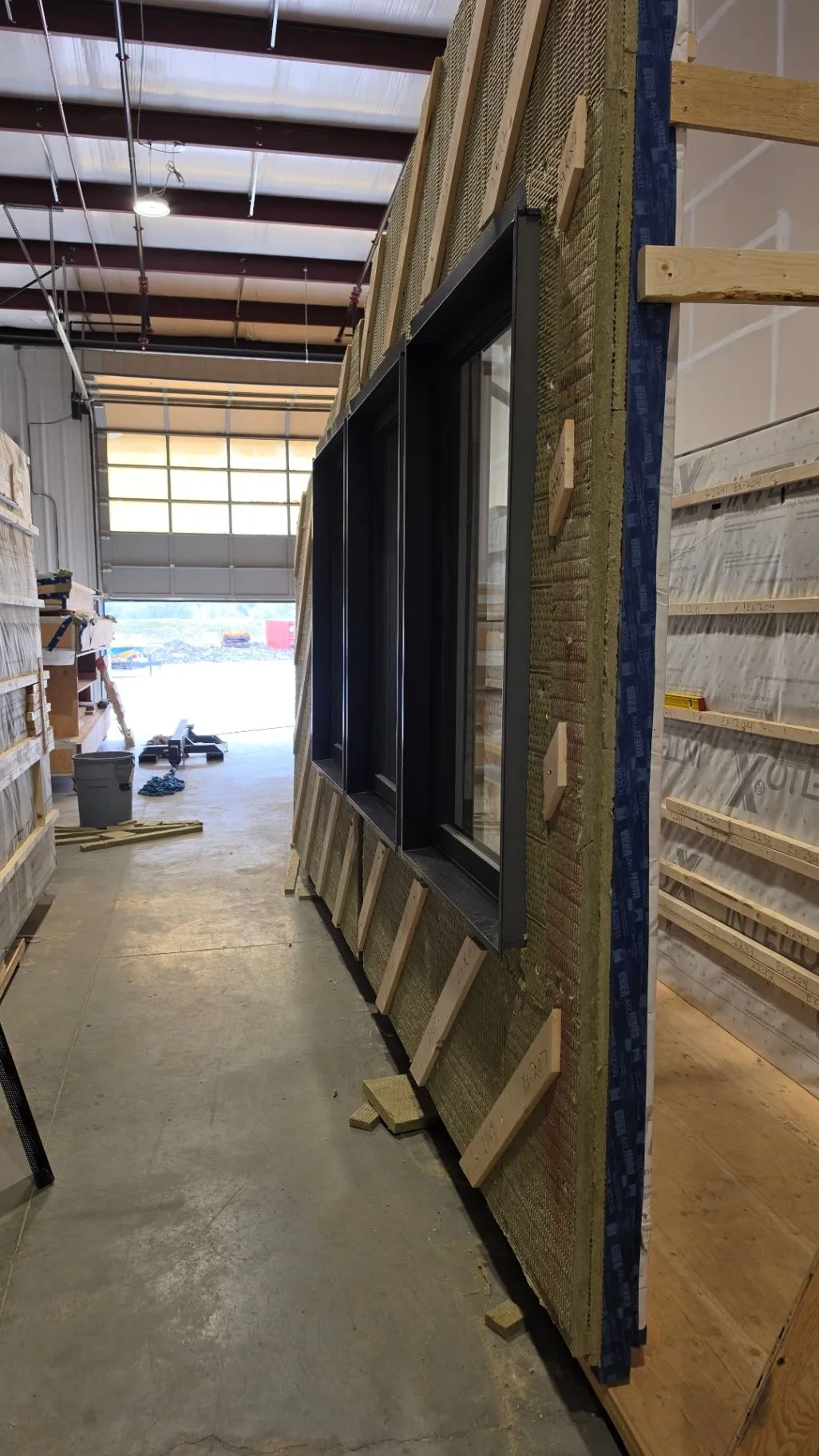
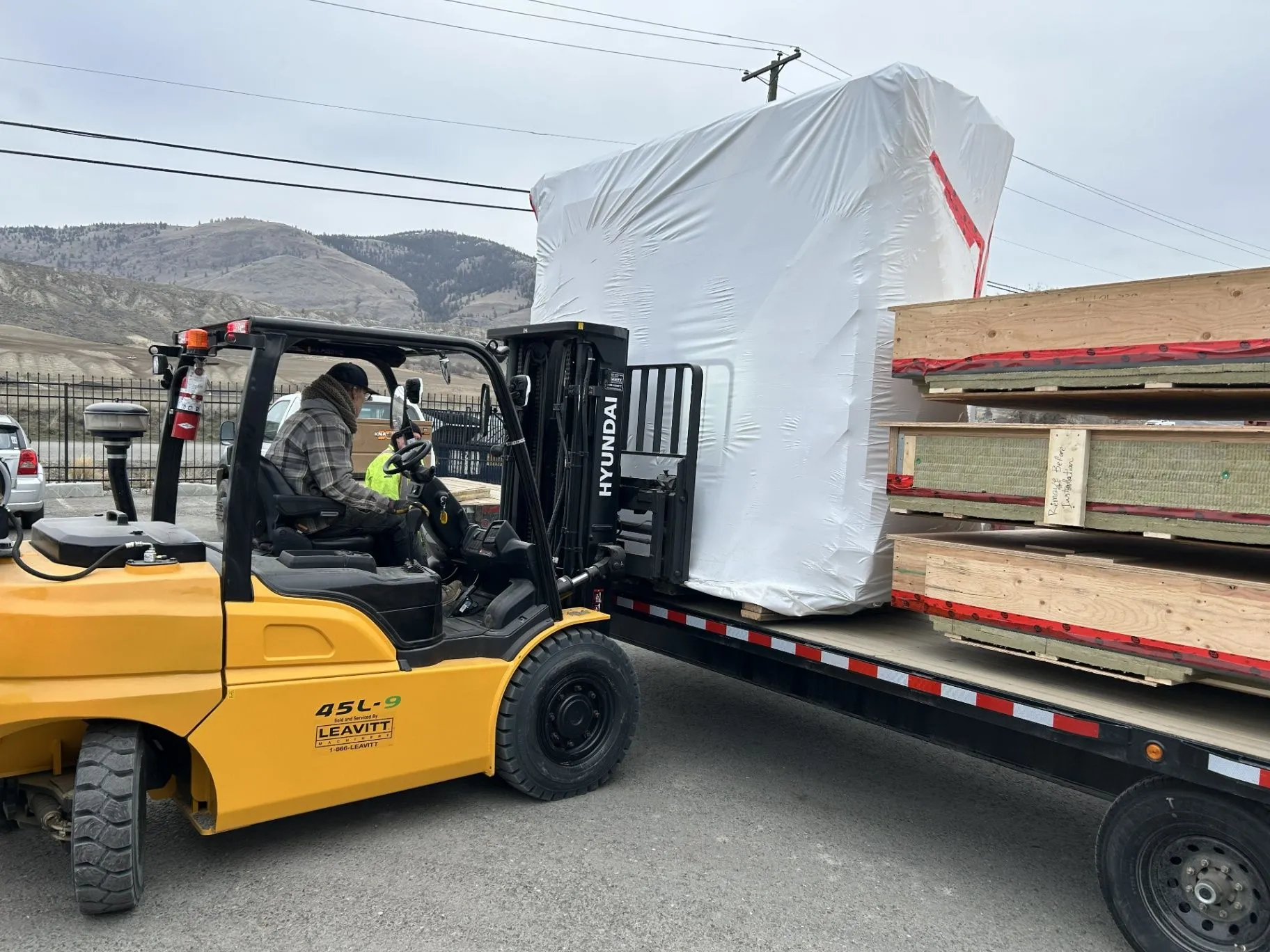
Core Comfort is our proprietary, standardized building envelope: a precision-engineered approach to the walls, roof, insulation, airtightness, and moisture control that help a home perform. It is built in our controlled off-site facility, where the work can be carefully sequenced, inspected, and repeated with consistency.
The result is a stronger foundation for comfort, durability, and design freedom.
First, what does “high-performance home” really mean?
A home’s building envelope is the boundary between your indoor space and the outdoors. It includes the walls, roof, floor, windows, doors, insulation, and the layers that manage air, heat, and moisture.
A high-performance envelope does these jobs well:
- Keeps heat inside during the winter and outside during the summer
- Reduces drafts and cold surfaces
- Helps maintain stable temperatures from room to room
- Limits outside noise
- Controls moisture so the structure can dry properly
- Supports better indoor air quality through planned ventilation
- Reduces the amount of energy needed to heat and cool the home
These benefits are connected. When a home is well insulated but leaky, for example, some of that insulation’s value is lost. When a home is airtight but does not manage moisture correctly, durability can suffer. High performance comes from the whole system working together.
How the Fabutek Core Comfort envelope works
You do not need to memorize every layer of a wall to understand the basic idea. Think of Core Comfort as a coordinated set of controls.
1. Insulation helps hold the temperature
A well-insulated wall slows the movement of heat through the building envelope. In winter, that helps retain the warmth created inside the home. In summer, it helps limit unwanted heat gain.
Fabutek uses carefully assembled insulation within its precision-engineered wall system. The goal is not simply to add more material. It is to create a continuous, well-fitted layer that performs consistently around windows, corners, joints, and other details.
2. Airtightness helps stop uncontrolled drafts
Air can move through surprisingly small gaps in a building envelope. Those gaps can create drafts, carry moisture into wall cavities, and make heating and cooling systems work harder.
Core Comfort includes a deliberate airtightness strategy. The membrane, tapes, seals, and connections are treated as part of one continuous system rather than as isolated products.
This is where INTELLO X plays an important role. It is a humidity-variable vapour control and airtight membrane used on the interior side of the insulated assembly. In practical terms, it helps limit unwanted air movement while supporting the wall’s ability to manage moisture under changing conditions.
3. Moisture management protects the home over time
Moisture is a normal part of any building. The important thing is controlling where it goes and giving the assembly a way to dry.
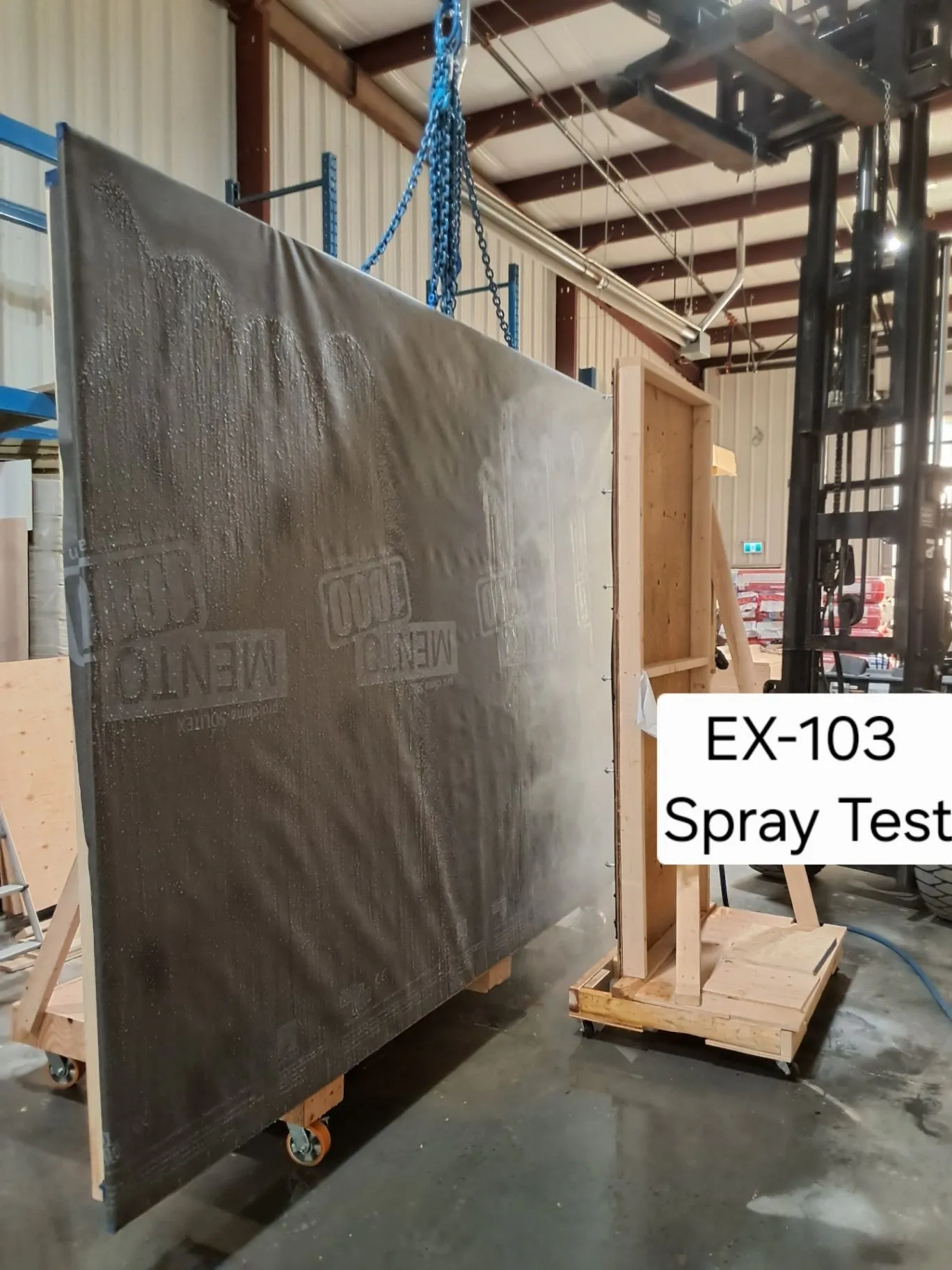
Core Comfort uses an intentional two-way moisture strategy with INTELLO X on the interior and MENTO 1000 on the exterior. MENTO 1000 is designed to provide a wind-tight, weather-resistant outer layer while remaining highly vapour-open.
Together, these membranes help protect the insulation and structure from wind-driven rain, air leakage, and trapped moisture. They also support heat retention by helping the insulation remain dry and protected.
The exact performance of any wall or roof assembly depends on the complete design, climate, installation, and project-specific details. The important point is that Core Comfort considers those details from the beginning, rather than leaving them to be solved one by one on site.
Why factory-controlled construction makes a difference
Building a home on site involves many moving parts. Materials arrive at different times. Weather changes. Multiple trades work around one another. Details are sometimes completed quickly because the next step is waiting.
That does not mean traditional construction cannot produce a good home. It does mean that consistency can be harder to achieve.
In our production facility, wall assemblies are built in a predictable environment. The team can work at a comfortable height, with the right tools nearby and fewer weather-related interruptions. Windows, insulation, membranes, strapping, and other components can be installed as part of a coordinated sequence.
The work can also be reviewed before it leaves the facility. A wall assembly is visible while key layers are still accessible. Connections can be checked before interior finishes cover them. Repetition makes it easier to identify what works and improve the process over time.
That matters because airtightness and moisture control depend heavily on the quality of the connections. A membrane is only effective when it is continuous. A carefully specified product still needs to be installed, taped, sealed, and protected properly.
Factory control does not remove the need for skilled work. It gives skilled people a better environment in which to do it consistently.
The smart part: standardizing the envelope while customizing the home
Standardization can sound limiting. At Fabutek, we see it differently.
The Core Comfort envelope is the proven “engine” behind the home. We refine and repeat that underlying system so you do not have to reinvent the most important performance details for every project.
The design around it can still respond to you.
You can choose a starting point from our home designs, adapt a layout, discuss a custom direction, and make decisions around how you want to live. Your home can have a warm timber interior, a clean contemporary exterior, generous glazing, a vaulted ceiling, a compact footprint, or a completely different arrangement.
The envelope does not dictate one look. It supports many looks.
This is one of the advantages of a design-first, off-site approach: the performance system is established early, while the architecture remains personal.
What Core Comfort means in everyday life
The technical work behind the envelope is valuable because of what you feel after move-in.
More even temperatures
A well-insulated, airtight home is better able to hold a stable indoor temperature. You are less likely to notice a sharp difference between the living room and the hallway, or between the centre of a room and the area beside an exterior wall.
Less outside noise
Insulation, airtight construction, and well-sealed openings can help soften the sound of traffic, wind, rain, and activity outside. The home feels quieter, not silent, but more settled.
Better indoor air
A more controlled envelope reduces the amount of outdoor air entering through random cracks and gaps. Fresh air can instead be managed through the home’s planned ventilation system, helping support a healthier indoor environment.
As the BC Housing consumer guide to high-performance homes explains, airtightness, insulation, ventilation, and moisture control work together. One feature cannot do the job alone.
Lower energy demand
When less heat escapes in winter and less heat enters in summer, heating and cooling equipment does not need to work as hard. Your actual energy use will depend on the home’s size, windows, systems, site, weather, and how you live, but the envelope gives those systems a more efficient starting point.
Fewer problems to solve later
A carefully coordinated envelope can reduce the risk of gaps, inconsistent installation, and moisture-related issues. That supports durability and can mean fewer post-construction adjustments and callbacks.
Sustainability that continues after construction
Sustainability is not only about what happens during manufacturing. It is also about how a home performs for decades.
Fabutek’s controlled off-site process helps reduce material waste through organized cutting, sequencing, and storage. Less work on site can also mean less disruption to the property and fewer deliveries and trips during construction.
Once the home is occupied, a high-performance envelope helps reduce ongoing energy demand. Using less energy to maintain comfort can lower the home’s operational impact over its lifetime.
Durability matters here too. A home that manages water, air, and heat properly is better positioned to remain comfortable and serviceable over time. Building for long-term performance is one of the most practical forms of sustainability.

High performance should still feel like home
A high-performance home does not need to look technical, stark, or overly specialized. It can be warm, welcoming, and deeply personal.
At Fabutek, we believe the best result is a home where the building science works quietly in the background. You notice the comfort, the calm, the quality of the light, and the way the spaces support your daily life. You do not need to see every layer to benefit from the care built into them.
Core Comfort gives us a proven performance foundation. Your design decisions give the home its character.
If you are considering a new home, garden suite, retreat, or custom residential project, we would be glad to talk through what high performance could look like for your site and your life. Connect with Fabutek to start the conversation.